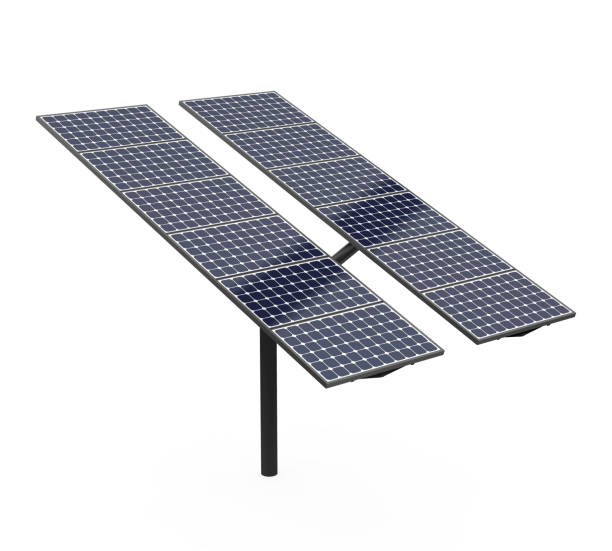
Solar energy has become a familiar part of modern life, from rooftops in residential neighborhoods to vast open solar farms. Yet many people don’t realize that efficiency is not only about the quality of solar panels but also about how intelligently they are positioned. The sun is constantly moving, and systems that respond to this movement can capture more energy throughout the day. This idea brings innovation and practicality together, making solar power feel more dynamic, responsive, and human-centered rather than static and limited.
Solar Tracker and Its Role in Smarter Energy Collection
A Solar Tracker is a system designed to adjust the position of solar panels so they stay aligned with the sun as it travels across the sky. Instead of panels remaining fixed in one direction, this technology allows them to rotate or tilt gradually, ensuring they receive sunlight at a more direct angle for longer periods. This simple concept can make a noticeable difference in how much energy is produced over the course of a day.
What makes this approach appealing is that it works with natural patterns rather than fighting them. The sun’s movement is predictable, and by responding to it, solar panels can operate closer to their peak performance for extended hours. This is especially useful during the early morning and late afternoon when fixed panels often lose efficiency. Over time, this steady improvement in daily output can significantly increase overall energy generation.
How Dynamic Alignment Improves Everyday Performance
When solar panels are able to follow the sun’s path, they reduce energy loss caused by indirect sunlight. Fixed panels are usually optimized for a single angle, which means they perform best only during a short window of the day. In contrast, systems that adjust their orientation maintain a stronger connection with the sun from sunrise to sunset.
This added efficiency becomes even more valuable in regions with long daylight hours or clear skies. Commercial installations often benefit the most, as even small percentage gains translate into large amounts of additional power. Residential users can also see advantages, particularly when space is limited and maximizing output from fewer panels is a priority. Modern designs focus on smooth movement and durability, making them reliable even in changing weather conditions.
Solar Tracker Technology in Real-Life Use
A Solar Tracker is no longer limited to experimental projects or large-scale solar farms. Today, it is used in a wide range of applications, from industrial energy plants to smaller installations designed for homes and businesses. In large projects, these systems are often paired with monitoring software that adjusts movement based on seasonal changes, ensuring consistent performance throughout the year.
For homeowners, deciding whether to adopt this technology often involves balancing cost and long-term benefits. While the initial investment can be higher than traditional fixed mounts, the increase in energy production may offset that cost over time. Understanding local sunlight patterns and energy needs plays a crucial role in determining whether this option is the right fit.
Conclusion
Solar energy continues to evolve, not just through better materials but through smarter use of natural resources. Systems that respond to the sun’s movement demonstrate how thoughtful design can enhance performance without complicating the user experience. Whether for large installations or personal energy solutions, aligning technology with nature offers a more efficient and sustainable path forward. By embracing intelligent positioning, solar power becomes not only cleaner but also more effective and adaptable for the future.