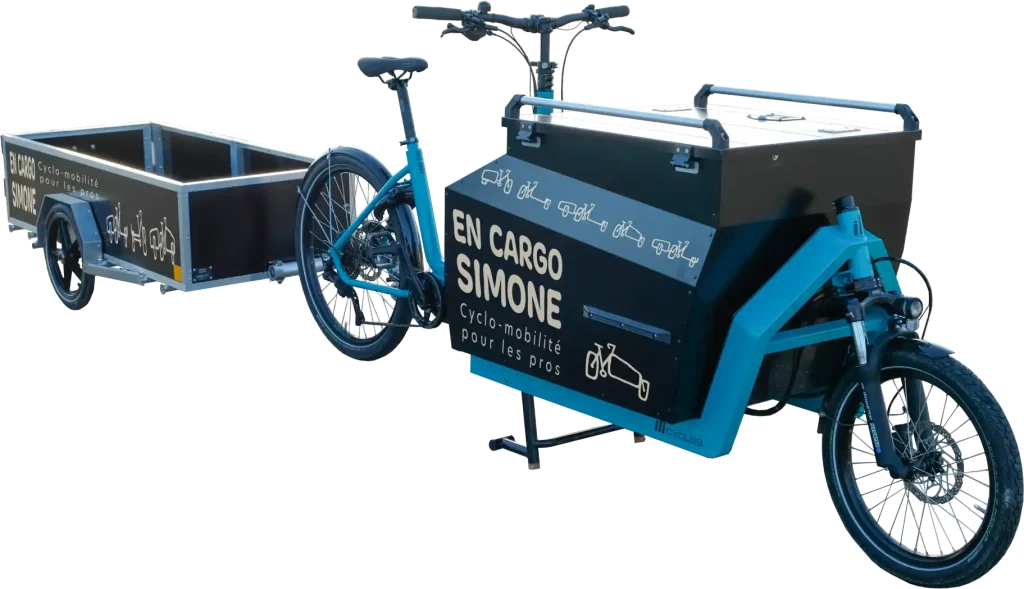
The bold rise of the vélo électrique cargo is transforming how people and businesses move goods in cities. From family transport to professional logistics, this innovative bicycle combines electric assistance with the carrying capacity of a cargo bike. One of the most common questions asked by potential users is simple: how far can a vélo électrique cargo actually travel on a single charge? Understanding the range of an electric cargo bike requires examining several factors such as battery capacity, terrain, load weight, and riding style. When comparing options like a used cargo bike versus a new one, these elements become even more important.
Understanding the Average Range of a Vélo Électrique Cargo
The range of a vélo électrique cargo generally falls between 40 km and 120 km per charge. However, this number is not fixed. It depends largely on the battery size and the level of electric assistance used during the ride. A standard cargo bike battery typically ranges from 400 Wh to 750 Wh. Larger batteries naturally provide longer travel distances.
For example, a rider using moderate assistance on flat urban roads with a 500 Wh battery may comfortably reach around 70 km. If the rider uses maximum assistance or carries heavy loads, the range may decrease to around 40–50 km. On the other hand, conservative use of assistance combined with efficient pedaling can extend the range to over 100 km.
Because cargo bikes are designed to transport goods, their range calculations must also account for payload weight. A vélo électrique cargo carrying tools, packages, or even children will require more energy than a standard electric bicycle.

Factors That Influence the Range
Several variables influence the range of a vélo électrique cargo, making real-world performance different from manufacturer estimates.
Battery capacity is the first key factor. Larger batteries store more energy and extend travel distance. Some professional cargo bikes even allow dual battery setups for longer delivery routes.
The second factor is cargo weight. When a vélo électrique cargo carries heavy equipment or large deliveries, the motor must work harder, which consumes more battery power.
Terrain also plays an important role. Flat city roads require less energy than steep hills. Urban areas with frequent stops and starts may also reduce the total range due to repeated acceleration.
Weather conditions can influence performance as well. Strong headwinds, cold temperatures, and wet roads increase resistance and drain the battery faster.
Finally, riding style matters. Smooth pedaling and moderate electric assistance help maintain battery life. Aggressive acceleration and constant high assistance reduce range.
Used vs New Cargo Bikes: What Difference Does It Make?
When evaluating range, the comparison between used cargo bikes and new cargo bikes becomes very relevant. The French question “Quelle différence entre vélo cargo occasion et vélo cargo neuf ?” highlights an important point for buyers.
A new vélo électrique cargo usually delivers optimal battery performance. The battery is fresh, the motor system is calibrated, and all components operate at peak efficiency. This means the manufacturer’s estimated range is more likely to match real usage.
A used cargo bike can still be a great option, but its range may be slightly reduced depending on battery age and maintenance history. Over time, lithium-ion batteries naturally lose some storage capacity. After several years of use, the effective range of a vélo électrique cargo might drop by 10–30%.
However, a well-maintained used cargo bike with a recently replaced battery can still offer excellent performance. Buyers should always check battery health, mileage, and service records before purchasing.
Professional Cargo Bike Use and Range Requirements
For professionals who rely on cargo bikes for daily operations, range becomes a critical factor. Delivery services, mobile technicians, and urban logistics companies need reliable travel distances to complete their routes efficiently.
This is where companies like En Cargo Simone provide valuable support. Based in Rezé near Nantes, the company specializes in cargo bikes and trailers designed for professional applications. Through demonstrations, diagnostics, and training, they help businesses choose the right vélo électrique cargo for their specific mobility needs.
By evaluating factors such as delivery distance, cargo weight, and urban traffic conditions, specialists can recommend models that provide the optimal battery capacity and performance. This guidance ensures businesses maintain consistent operational range while reducing fuel costs and emissions.
Sustainability and Urban Efficiency
Beyond range, the vélo électrique cargo represents a broader shift toward sustainable transportation. In many cities, cargo bikes are replacing vans for short-distance deliveries. They produce zero direct emissions, reduce congestion, and require significantly less parking space.
Organizations adopting cargo bikes often find that even with a range of 60–80 km per charge, they can complete multiple delivery rounds within a single working day. Charging overnight or during breaks ensures continuous availability.
This makes the vélo électrique cargo not only an environmentally responsible choice but also an economically efficient one for modern urban logistics.
Conclusion
The range of a vélo électrique cargo typically varies between 40 and 120 kilometers depending on battery size, load weight, terrain, and riding style. While new cargo bikes generally offer maximum battery performance, used cargo bikes can still provide excellent range if they are well maintained and equipped with healthy batteries. For professionals and individuals seeking reliable urban mobility, understanding these factors is essential. With expert guidance from specialists such as En Cargo Simone, users can select the right cargo bike to meet their transport needs while embracing a cleaner, more efficient future for city transportation.