Running a small business means making constant judgment calls about where to spend limited dollars. Facility upgrades often get pushed down the priority list in favor of inventory, payroll, or marketing. But there is one infrastructure decision that quietly affects your reputation, your safety record, and your customer retention, and that is the condition of your pavement. A thoughtful approach to asphalt paving can be the difference between a professional first impression and a liability waiting to happen. For small business owners who care about the full customer experience, the surface beneath their guests’ feet deserves far more attention than it typically gets.
First Impressions Start at the Curb
Retail psychology has long confirmed that customers form opinions about a business before they ever step through the door. A parking lot full of cracks, faded markings, and uneven patches sends a signal, intentional or not, that details do not matter here. Conversely, a clean, well-maintained lot suggests that a business is organized, solvent, and customer-focused.
This matters most in competitive retail environments and service-based industries where multiple options exist within a short drive. A dental clinic with a pristine lot and fresh line markings projects confidence. A competitor with a crumbling entrance projects the opposite. The cost of keeping your surface well-maintained is modest compared to the value of the impression it creates every single day.
Understanding Your Maintenance Options
Small business owners often assume that pavement issues require full-scale replacement, but that is rarely the case for properties maintained with any regularity. Crack filling is the most cost-effective first response and should be done before any significant water infiltration occurs. Seal coating, typically applied every two to four years depending on traffic volume and climate, restores surface flexibility and blocks UV damage.
Patching addresses localized damage without requiring a full overlay. For older surfaces showing widespread alligator cracking or significant base failure, a mill-and-overlay process removes the damaged top layer and applies fresh asphalt, extending surface life for another decade or more without the cost of full removal and replacement. Knowing which option fits your situation requires an honest conversation with a qualified contractor, not a guess.
Timing, Budgeting, and Contractor Selection
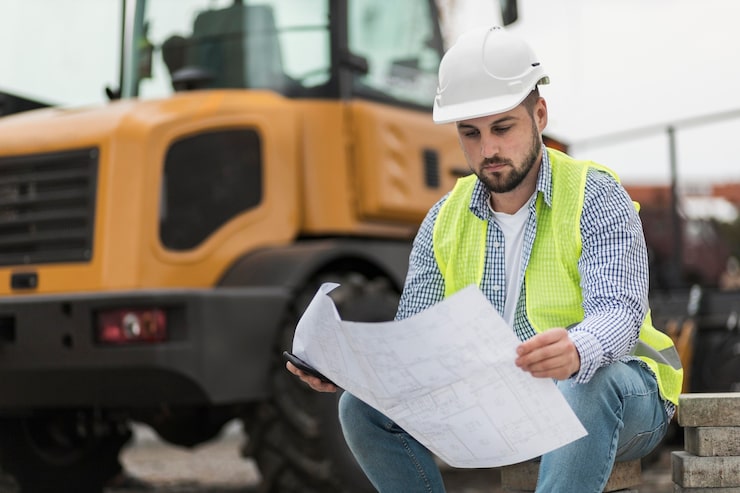
For small businesses operating on tight margins, the goal is to get maximum life out of every paving dollar. That starts with scheduling work at the right time of year and not waiting until damage is severe. Proactive businesses that budget for pavement maintenance annually, rather than reactively, avoid the larger capital expenditure of emergency replacement. A well-regarded local provider of asphalt paving services will typically offer a free site inspection and written estimate, giving you the information you need to plan intelligently.
When evaluating contractors, references matter more than price. A low bid that skips proper base preparation or uses an inferior mix specification will cost you far more in early failure and re-work. Ask for photos of comparable completed projects, check online reviews, and confirm the contractor carries appropriate liability insurance and workers compensation coverage. These are not optional considerations.
Looking Ahead: Pavement as a Business Asset
The most successful small business owners think about their physical space the way smart investors think about any asset: what is the return on maintenance spending, and when does replacement make more economic sense than continued repair? Pavement is no different. A 20-year-old lot with a solid base may justify a simple resurfacing investment. A lot with compromised drainage and structural failure may warrant full replacement with drainage corrections that prevent the same problems from recurring.
As businesses grow, the lot also needs to evolve. Expanded parking requirements, EV charging installations, accessibility compliance updates, and delivery zone reconfiguration all intersect with pavement planning. Building these considerations into your long-range facility plan, rather than addressing them one crisis at a time, is the mark of an operator who thinks like an owner.
Conclusion
For small business owners, every facility investment has to justify itself. Asphalt paving maintenance does exactly that, through improved curb appeal, reduced liability exposure, and extended surface life that defers the cost of full replacement. The key is treating it as a planned investment rather than an afterthought. Hire qualified professionals, maintain a schedule, and view your pavement the way you view any other business asset: something worth protecting.