Choosing a generator for a commercial or tribal facility is not a decision you make by browsing a product page for ten minutes. It requires an honest assessment of what your facility actually needs from a power continuity standpoint, what your existing electrical infrastructure can accommodate, and how much downtime your operations can realistically absorb before serious damage is done. Get it right and you have a facility that handles outages without missing a beat. Get it wrong and you’re looking at equipment failures, safety risks, and a very expensive correction process down the line.
The starting point for any commercial generator selection is understanding load requirements. Every circuit in your building has to be accounted for. HVAC systems, elevators, server rooms, lighting circuits, kitchen appliances, medical equipment, and security systems all draw power simultaneously during normal operations. During a grid failure, your generator has to handle all of that load, including the startup surge that motors and compressors create when they first energize. That startup current is often two to three times higher than the running current, and a generator that can’t handle it will fail under exactly the conditions when you need it most.
Why Load Analysis Comes Before Any Product Selection
Skipping the load analysis is the single biggest mistake in commercial generator projects. Some facility managers make their decision based on a rough square footage estimate or a neighbor’s recommendation. Others pick a number that sounds large enough and hope for the best. Neither approach produces reliable results.
A proper load analysis catalogs every electrically powered system in the facility, assigns a wattage value to each, accounts for startup surges, identifies which systems are essential versus non-essential during an outage, and produces a total demand figure that the generator must be capable of supporting. From that number, you work backward to select the right capacity, fuel type, and control configuration.
Catawba Power and Lighting brings infrastructure-level expertise to this process. They serve tribal governments, casinos, healthcare facilities, manufacturing and industrial operations, and commercial developers, which means they’ve worked through load analysis scenarios across a wide range of building types and operational requirements. That experience translates directly into better equipment recommendations and fewer surprises during installation.
What Fuel Type Works Best for Commercial Standby Generators?
Fuel selection matters more than many buyers realize. Diesel generators offer excellent energy density and are well-suited for remote locations or facilities where natural gas service isn’t available. They require more maintenance over time and have fuel storage requirements that add complexity to the setup. Natural gas and propane units connect directly to utility supply lines or on-site storage tanks, which eliminates the need to stockpile diesel fuel and simplifies long-term operation.
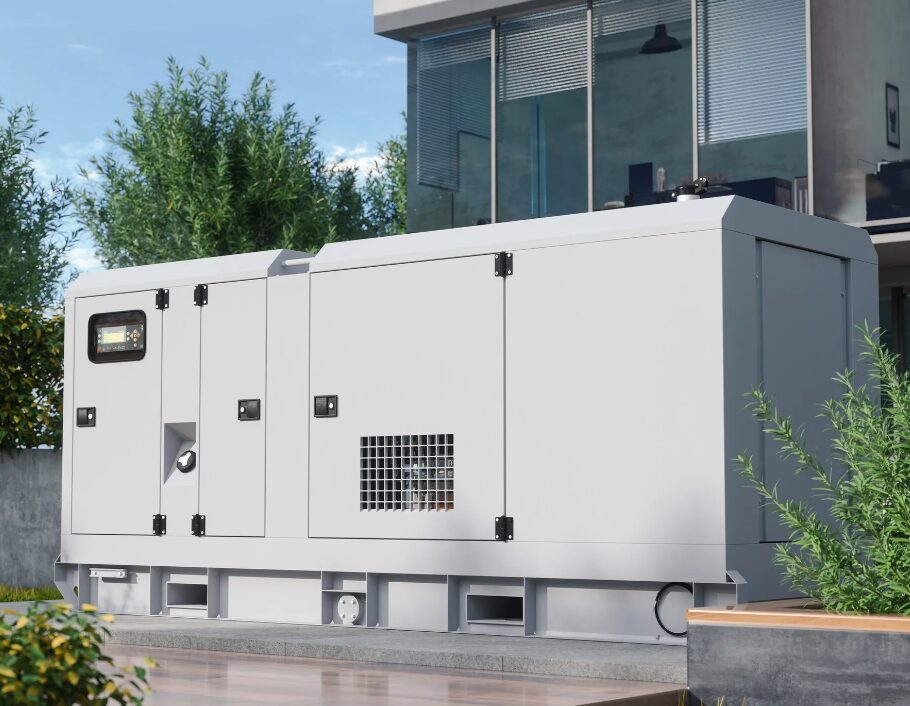
For tribal facilities located in areas with existing natural gas infrastructure, standby generators running on natural gas are often the most practical choice. They start reliably, run cleanly, and don’t require fuel replenishment during an extended outage as long as the utility gas supply remains intact. Propane offers similar benefits for locations without natural gas access and can be stored in sufficient quantities to support multi-day operation.
The right fuel choice depends on the facility’s location, utility access, storage space, and operational profile. Generators sourced through Catawba Power and Lighting come with the benefit of distributor-level guidance on these decisions, which means clients aren’t making fuel type choices in isolation. They’re making them with the context of their specific facility requirements and the manufacturer options available to support those requirements.
How Transfer Switches Integrate with Your Generator System
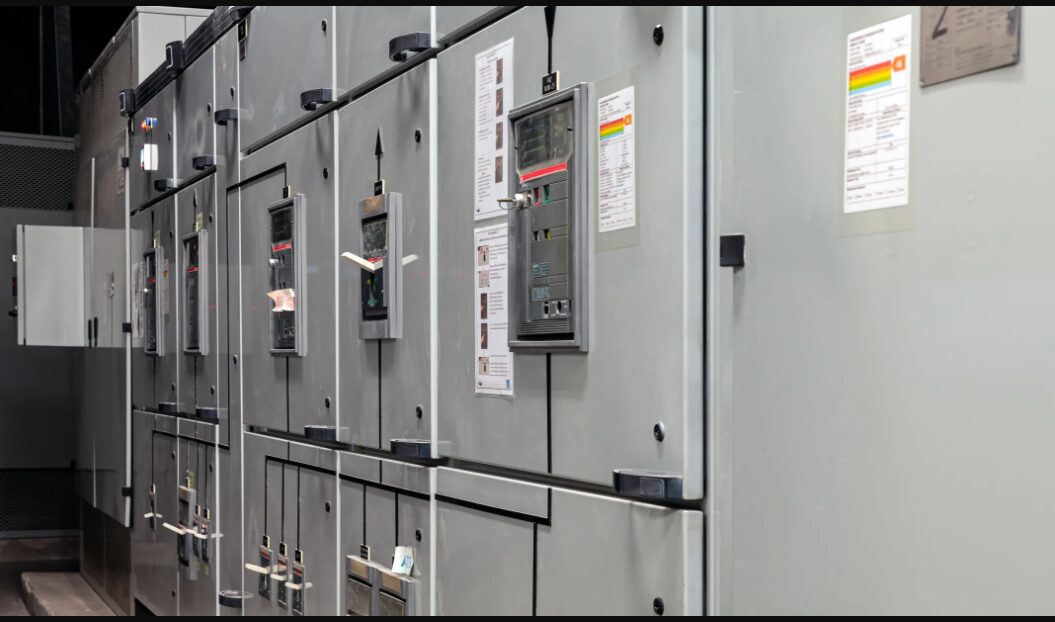
A generator without a properly configured transfer switch is only half a solution. The transfer switch is what safely disconnects the building from the utility grid when the generator kicks in, preventing dangerous back-feed that could injure utility workers or damage your generator. It’s also what reconnects the building to grid power when utility service is restored and shuts the generator down in a controlled sequence.
Manual transfer switches require someone to physically operate them during an outage. Automatic transfer switches handle the entire process without human intervention, which is why they’re the standard for commercial and critical facility applications. When grid power fails, the automatic transfer switch detects the interruption, signals the generator to start, waits for the generator to reach stable output, and then transfers the building load to generator power. The whole process typically takes between 10 and 30 seconds.
Getting this integration right requires that the generator and transfer switch are properly matched in terms of capacity and control compatibility. Catawba Power and Lighting’s focus on electrical distribution infrastructure means they understand this integration requirement and factor it into the sourcing process, not as an afterthought but as a core part of the project specification.
Why Generac Generators Are Trusted Across Commercial Applications
Among the standby generator brands available to commercial buyers, Generac generators have earned consistent recognition for their reliability, product range, and integration-friendly design. From mid-range commercial installations to large industrial deployments, Generac’s commercial lineup covers the capacity range that most tribal, casino, healthcare, and manufacturing facilities require. Their control systems are designed to communicate with building automation platforms, making them a practical choice for modern facilities that want comprehensive monitoring and remote management capability.
What’s interesting is that Generac’s reputation wasn’t built on marketing alone. It was built on performance records in real commercial environments, including disaster-prone regions where generators get tested by actual hurricanes, ice storms, and extended grid failures rather than just scheduled maintenance checks. For tribal communities in coastal or storm-prone areas, that real-world performance history matters as much as any specification sheet.
Catawba Power and Lighting partners with leading manufacturers to deliver emergency power solutions suited to commercial and tribal facility demands. Their direct-ship distribution capabilities mean projects don’t get stuck waiting for equipment that’s sitting in a warehouse three states away.
Practical Scenario: Healthcare Facility Generator Planning
A regional healthcare facility managing two operating theaters, an intensive care unit, and a full emergency department needs a generator specification that accounts for life-safety systems as its absolute top priority. Ventilators, patient monitoring equipment, surgical lighting, and pharmacy refrigeration all fall into the essential load category. None of those systems can tolerate even a brief interruption without triggering serious consequences.
In this scenario, the generator specification starts with life-safety loads, works upward through critical support systems like HVAC and elevators, and then identifies which administrative and non-essential loads can be shed during an outage to reduce demand on the generator. The result is a tiered load management approach that keeps the most critical systems protected while managing total generator demand within a practical capacity range. Catawba Power and Lighting’s experience across healthcare facilities gives them direct insight into exactly this kind of prioritization exercise.
Conclusion
Picking the right generator for a commercial or tribal facility comes down to systematic planning, honest load assessment, and working with a distributor who understands the full picture. Catawba Power and Lighting delivers competitive procurement, reliable timelines, and community-centered values to every generator project they support. Whether you’re protecting a healthcare facility, a casino, a manufacturing operation, or a tribal government building, the right generator decision starts with the right partner.
FAQ
Q: How do I determine what size generator my commercial building needs? A: Start with a complete load analysis that accounts for all electrical systems, their running wattage, and startup surge requirements. A specialist distributor can help ensure your capacity selection covers peak demand safely.
Q: Are Generac generators compatible with automatic transfer switches? A: Yes. Generac’s commercial generator lineup is designed to integrate with automatic transfer switches, enabling seamless, hands-free switchover during grid failures.
Q: What industries does Catawba Power and Lighting serve? A: They serve tribal governments, tribal casinos, emergency management committees, healthcare facilities, manufacturing and industrial operations, and commercial developers nationwide.