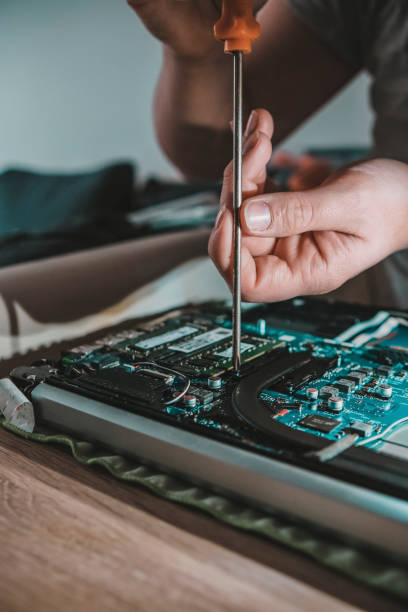
Modern businesses depend on reliable technology systems to operate efficiently, communicate with customers, and protect valuable information. As organizations continue to use more digital tools, IT Infrastructure Management has become essential for maintaining secure, high-performing, and dependable technology environments. It involves managing the hardware, software, networks, data, and services that support daily business operations.
For businesses in Connecticut, GT Computing provides professional IT support, managed IT services, computer repairs, data recovery, virus removal, hardware testing, and network solutions. Their experienced technicians offer 24/7/365 support with proactive system monitoring, cybersecurity solutions, backups, and technology management designed to keep systems secure and optimized.
Understanding IT Infrastructure Management
IT Infrastructure Management is the process of overseeing and maintaining an organization’s entire technology environment. This includes managing physical devices, cloud platforms, networks, applications, and security systems to ensure everything works together effectively. A well-managed infrastructure reduces downtime, improves productivity, and helps businesses respond quickly to technical challenges.
Effective infrastructure management is not only about fixing problems after they occur. It focuses on prevention through regular monitoring, maintenance, updates, and security improvements. This proactive approach allows companies to avoid costly disruptions and keep their operations running smoothly.
Hardware Management and Maintenance
One of the most important components of IT Infrastructure Management is hardware management. This includes computers, servers, storage devices, routers, switches, and other physical equipment that support business operations. Proper maintenance ensures that devices perform efficiently and remain reliable over time.
IT professionals monitor hardware performance, identify potential failures, and recommend upgrades when necessary. Regular hardware testing and troubleshooting can prevent unexpected breakdowns and extend the lifespan of valuable equipment. GT Computing helps businesses maintain their technology assets through expert hardware support and repair services.
Network Management and Monitoring
A strong network is the foundation of any successful IT environment. Network management involves maintaining internet connections, internal networks, wireless systems, routers, and communication tools. It ensures employees can access the resources they need while keeping connections stable and secure.
IT Infrastructure Management includes continuous network monitoring to detect performance issues, unusual activity, or security risks. By identifying problems early, IT teams can resolve issues before they impact business operations. Professional network solutions also improve speed, reliability, and overall connectivity.
Server and Cloud Management
Servers and cloud systems store important applications, files, and business data. Managing these environments requires regular updates, performance monitoring, backup planning, and security controls. Proper server management helps businesses maintain accessibility while reducing the risk of data loss.
Cloud management has also become a major part of modern IT Infrastructure Management. Businesses rely on cloud services for flexibility, remote access, and collaboration. IT experts help configure, maintain, and secure cloud environments to ensure they support business goals.
Cybersecurity and Data Protection
Security is a critical element of infrastructure management. Cyber threats such as malware, ransomware, phishing attacks, and unauthorized access can damage business operations and expose sensitive information. Strong cybersecurity practices protect systems from potential threats.
IT Infrastructure Management includes antivirus protection, security monitoring, firewall management, software updates, and data backup solutions. GT Computing provides cybersecurity services designed to protect businesses and individuals from evolving digital risks while keeping technology systems safe.
Backup and Disaster Recovery Planning
Unexpected events such as hardware failures, cyberattacks, or system errors can result in significant data loss. Backup and disaster recovery solutions help organizations quickly restore important information and continue operations after a disruption.
A reliable infrastructure management strategy includes automated backups, recovery planning, and regular testing. These measures provide businesses with confidence that their critical data and systems can be restored when needed.
Software and System Management
Software management involves installing, updating, and maintaining operating systems, applications, and business programs. Outdated software can create security vulnerabilities and reduce productivity. Regular updates and monitoring help ensure applications remain secure and efficient.
IT professionals also manage software compatibility, licensing, and performance issues. This allows employees to work with reliable tools without unnecessary technical interruptions.
Conclusion
The key components of IT Infrastructure Management include hardware management, network monitoring, server and cloud management, cybersecurity, backup solutions, and software maintenance. Together, these services create a stable and secure technology environment that supports business success.
With professional assistance from GT Computing, businesses can maintain reliable systems, prevent technical issues, and improve overall productivity. Their comprehensive IT solutions help organizations keep technology running smoothly through proactive management, expert support, and advanced security practices.