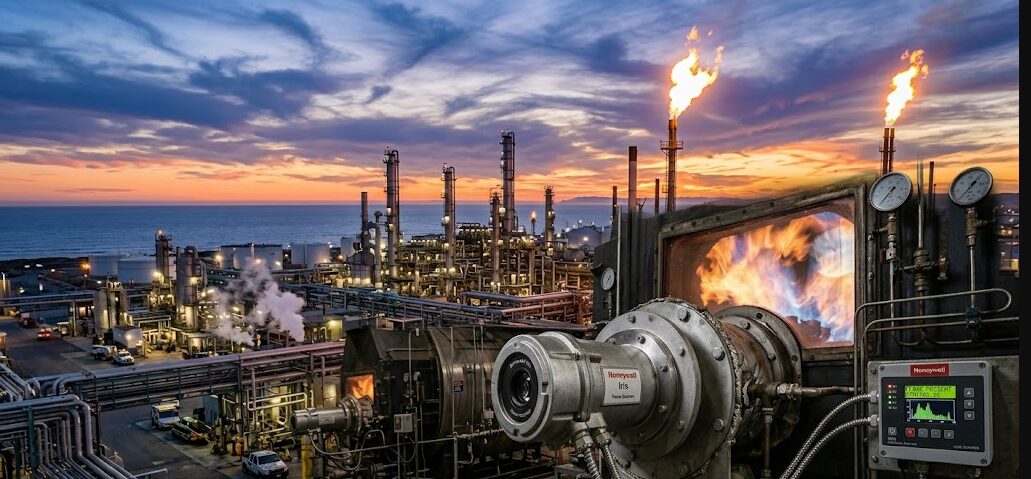
Industrial combustion systems operate in some of the most demanding environments, where safety, efficiency, and reliability are critical to daily operations. Oil refineries, gas processing facilities, power plants, and emissions management systems all depend on stable combustion processes to maintain productivity and comply with strict industry regulations. Even a brief flame interruption can create serious safety hazards, increase operational costs, and lead to equipment damage. This is why advanced flame monitoring technology has become a vital part of industrial operations. A Honeywell flame scanner provides continuous flame verification, helping facilities maintain safe combustion conditions while reducing operational risks and improving reliability.
For more than 20 years, Diamond Systems has supplied high-quality Honeywell Iris industrial flame scanners and flame monitoring products to customers throughout the United States. The company serves oil and gas refineries, power generation facilities, and industrial operations by providing dependable combustion monitoring solutions designed to enhance safety and performance. With extensive industry experience and a commitment to customer support, Diamond Systems continues to help businesses maintain reliable and compliant operations.
The Importance of Flame Monitoring in Industrial Facilities
Industrial combustion systems are responsible for powering critical processes across numerous industries. Burners, furnaces, boilers, and flare stacks must operate continuously while maintaining safe combustion conditions. When a flame becomes unstable or goes out unexpectedly, unburned fuel can accumulate within the system, creating potentially dangerous situations that may result in fires, explosions, environmental incidents, or costly production interruptions.
Flame monitoring technology addresses these challenges by continuously verifying flame presence in real time. Instead of relying on periodic inspections, operators receive immediate feedback about combustion conditions. If a flame is lost or becomes unstable, the monitoring system can activate alarms, initiate shutdown procedures, or trigger corrective actions before a small issue develops into a major safety event. This proactive approach helps facilities improve workplace safety, protect equipment, and maintain uninterrupted operations.
How Honeywell Flame Scanners Work
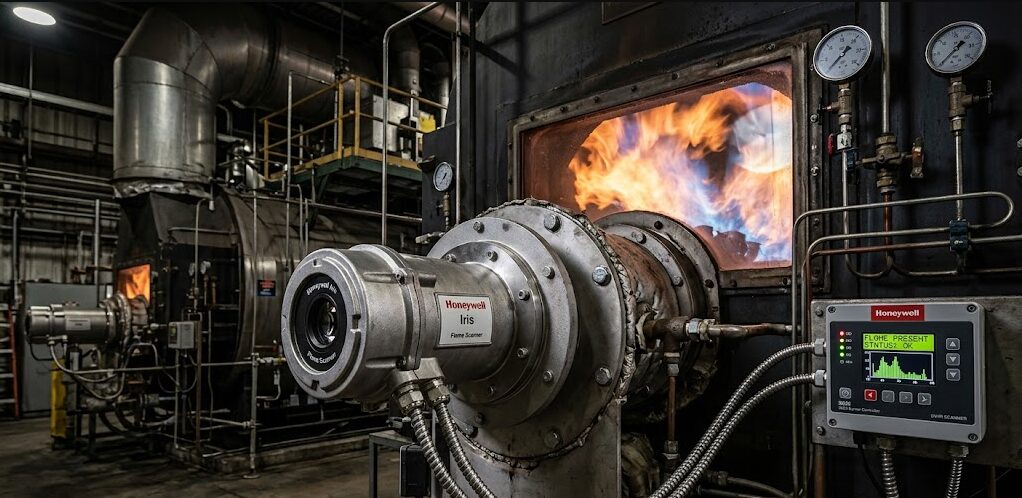
Honeywell Flame Scanner use advanced Ultraviolet (UV) and Infrared (IR) sensing technologies to accurately detect and monitor combustion. These sensors identify the specific radiation signatures produced by industrial flames and distinguish them from surrounding light sources or environmental conditions. By continuously analyzing flame characteristics, the system can determine whether combustion is occurring properly and consistently.
When a burner operates normally, the scanner confirms flame presence and communicates that status to the control system. If the flame becomes unstable or extinguishes completely, the scanner detects the change immediately and sends a signal that may trigger alarms or emergency shutdown procedures. This rapid response capability helps reduce safety risks and ensures that operators can take corrective action before conditions become hazardous.
Benefits for the Oil Industry
The oil industry relies heavily on combustion equipment throughout refining and production operations. Industrial heaters, burners, furnaces, and flare systems must function reliably while meeting strict environmental and safety requirements. Any interruption in combustion can negatively affect production, increase maintenance costs, and create significant safety concerns.
Honeywell flame monitoring solutions provide continuous flame verification that helps refinery operators maintain safe operating conditions. By detecting flame instability or loss in real time, these systems reduce the risk of unburned fuel accumulation and support safer equipment performance. Facilities can identify issues early, minimize downtime, and improve overall operational efficiency. This level of monitoring is particularly important in regions such as South Texas, West Texas, southeastern New Mexico, North Dakota, Montana, Pennsylvania, Ohio, and West Virginia, where industrial energy operations play a significant role in local economies.
Enhancing Safety in Natural Gas Operations
Natural gas facilities require dependable combustion monitoring because unburned gas can quickly create hazardous conditions. If a burner flame goes out without immediate detection, gas may continue flowing into the system, increasing the risk of explosion or fire. Continuous flame verification is therefore a critical component of facility safety programs.
A reliable flame scanner helps operators monitor burner performance around the clock and immediately identify flame loss events. Once detected, the scanner communicates with the facility’s control system to initiate protective actions that help prevent dangerous gas buildup. This capability not only improves worker safety but also supports compliance with industry regulations and operational standards. As a result, natural gas facilities can maintain safer working environments while reducing the likelihood of costly incidents.
Supporting Reliable Power Generation
Power plants depend on stable combustion systems to generate electricity efficiently and consistently. Unexpected burner failures can disrupt production schedules, reduce plant efficiency, and create safety risks for personnel and equipment. Because of these challenges, many power generation facilities rely on advanced flame monitoring technology to support safe and reliable operations.
Honeywell flame scanners provide continuous monitoring that allows operators to identify combustion issues before they affect plant performance. Early detection of flame instability enables faster corrective action, reducing downtime and protecting valuable equipment. In addition, improved combustion monitoring can help facilities optimize burner performance, improve fuel efficiency, and maintain consistent power generation output.
Applications in Emissions Management Equipment
Modern emissions management systems often require accurate combustion monitoring to ensure environmental compliance and reliable operation. Honeywell flame scanners are commonly integrated into vapor recovery units, emissions control systems, and production equipment used throughout the oil and gas industry. These systems depend on consistent flame verification to maintain performance and support regulatory requirements.
Diamond Systems has supplied instrumentation controls and flame monitoring products used in equipment developed by companies such as Cimarron Energy. The company also supports applications associated with organizations including Pesco and Forum Energy Technologies. These businesses utilize advanced technologies to improve emissions management, production efficiency, and operational safety. Reliable flame monitoring remains an important component of these solutions because it helps ensure that combustion systems function properly under demanding industrial conditions.
Why Businesses Choose Diamond Systems
Choosing the right flame monitoring supplier is essential for achieving long-term operational success. Diamond Systems has built a strong reputation by providing trusted Honeywell Iris flame scanners and combustion monitoring products backed by decades of industry experience. Customers rely on the company for quality products, technical expertise, and dependable service.
The company understands the unique requirements of oil refineries, gas processing facilities, and power plants. By offering proven solutions and responsive customer support, Diamond Systems helps facilities improve safety, maintain compliance, and maximize equipment performance. Nationwide shipping capabilities further ensure that customers across the United States have access to the products they need when they need them.
Conclusion
Honeywell flame scanners play a critical role in protecting industrial combustion systems and supporting safe operations across multiple industries. By continuously verifying flame presence and responding quickly to combustion issues, these systems help prevent hazardous conditions, reduce downtime, and improve regulatory compliance. From oil refineries and natural gas facilities to power plants and emissions management systems, reliable flame monitoring technology remains an essential part of modern industrial operations. With more than 20 years of experience providing Honeywell Iris flame monitoring solutions, Diamond Systems continues to be a trusted partner for businesses seeking dependable combustion safety products throughout the United States.
FAQ
What is a Honeywell flame scanner used for?
A Honeywell flame scanner is used to continuously monitor industrial burners, furnaces, boilers, and flare systems to verify flame presence and maintain safe combustion conditions.
How does flame monitoring improve industrial safety?
Flame monitoring helps detect flame loss or instability immediately, allowing operators to take corrective action before dangerous conditions such as gas buildup, fires, or explosions can occur.
Which industries benefit from Honeywell flame scanners?
Industries that commonly use Honeywell flame scanners include oil refining, natural gas processing, power generation, emissions management, vapor recovery, and other industrial combustion applications.