If you’ve ever worked on a manufacturing project, you’ve probably heard the term “CNC turning services” tossed around. Maybe someone mentioned it during a meeting, or you found yourself Googling it because it came up in a vendor quote. The problem is that a lot of companies describe turning services in technical jargon that assumes you already know what a CNC lathe is and why it matters to your specific part.
Let’s back up. If you’re designing or sourcing parts right now, you need to know whether turning services are even the right choice for what you’re making. And if they are, what to actually look for in a turning services partner.
What CNC Turning Actually Does
CNC turning is fundamentally simple: a machine holds your part and spins it while a computer-controlled cutting tool removes material to make the shape you need. That’s it. The “computer-controlled” part is what matters. Instead of a person manually guiding the tool, a program (generated from your CAD drawing) tells the machine exactly where to cut and how much material to remove.
This matters because consistency is guaranteed. Part one looks identical to part 10,000. Every diameter is the same. Every thread pitch matches. You don’t get human fatigue or an off day. You get predictable, repeatable precision.
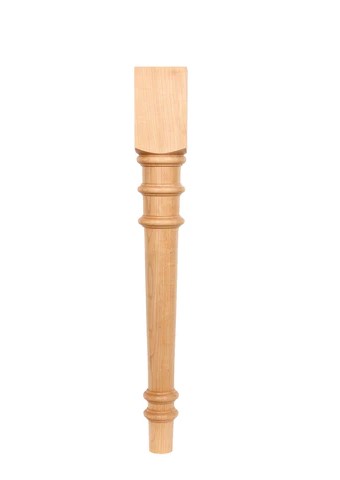
But here’s the thing: this process works best for cylindrical and rotational parts. Shafts. Bushings. Pins. Threaded components. Anything where the geometry revolves around a central axis. If your part is mostly cylindrical in nature, turning services is probably worth exploring.
When You Definitely Need Turning Services
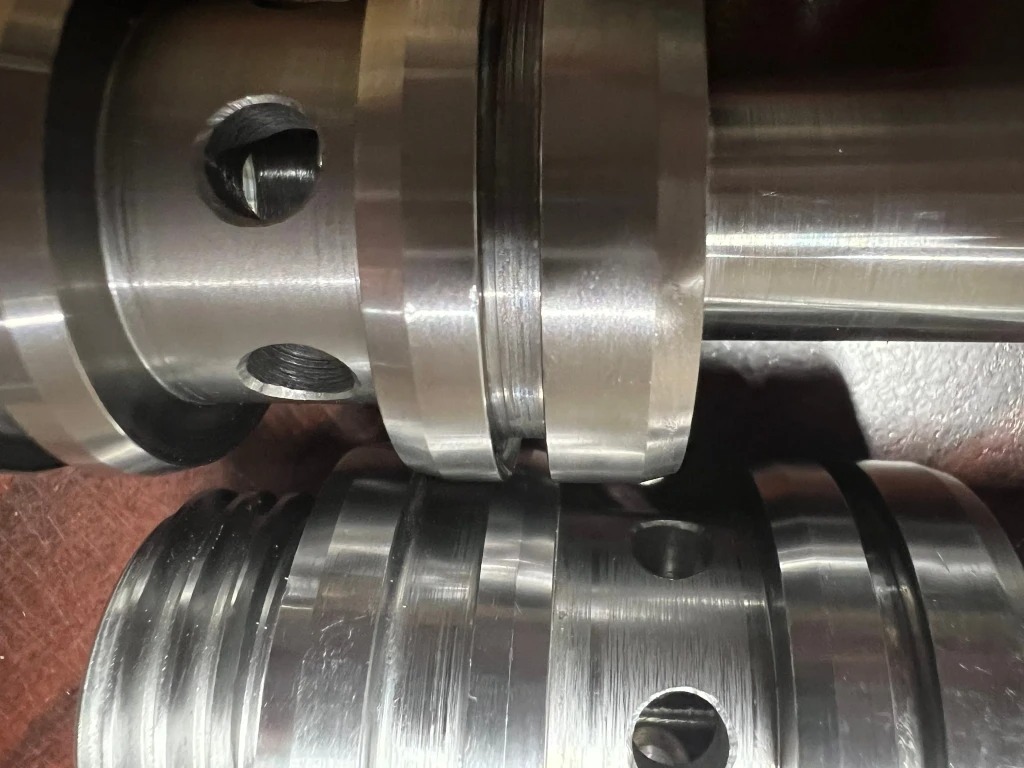
Let’s say you’re building hydraulic equipment and need 500 custom shafts. Each one has specific diameters, shoulder steps, and a threaded end. You could try to find off-the-shelf parts that sort of fit, spend weeks adjusting your design, and still end up with something that doesn’t work quite right. Or you call a turning services shop, send them your drawing, and get exactly what you designed.
The same goes if you need tight tolerances. We’re talking ±0.001 of an inch. Not approximate. Not close enough. Exact. This level of precision is where turning services shine. Manual machining can’t reliably achieve this. A CNC machine can, and will, every single time.
You also need turning services if you’re working with materials that are tricky to machine. Stainless steel. Titanium. Inconel. Engineering plastics like PEEK. These materials don’t play well with basic shop tools. A CNC turning service has the right equipment, tool offsets, and spindle speeds to cut these materials reliably without ruining them.
The Volume Question
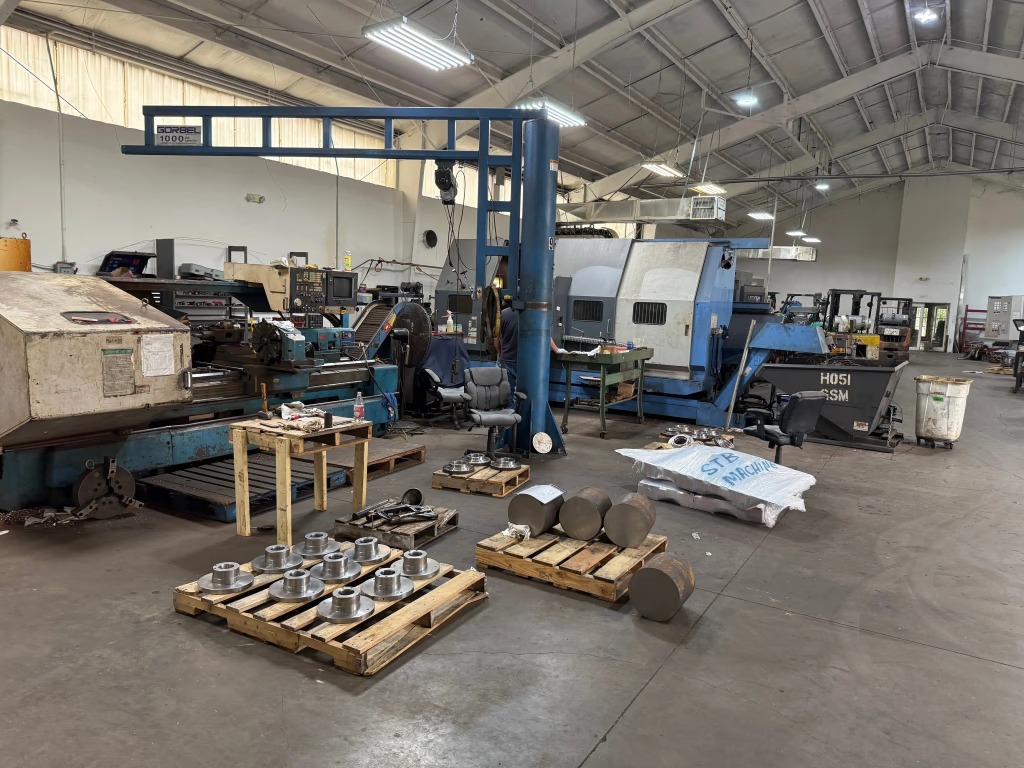
You might think CNC turning is only for big production runs. Not true. A good turning services shop handles anything from a single prototype to high-volume manufacturing. The cost per part might be higher for a one-off, but you still get the precision and quality you need.
This is actually useful if you’re designing something new. You can order a small test batch, verify the parts fit and function the way you expect, and then move to a larger production run once you’re confident. No surprises in the middle of manufacturing.
What to Look For in a Turning Services Partner
Not all turning services shops are created equal. When you’re evaluating options, ask about tolerance consistency. Can they hold ±0.001″ reliably? Do they do in-process inspection or just measure at the end? A shop that checks parts while they’re being made catches errors before they stack up.
Also find out what materials they work with regularly. If you need Inconel parts and they mainly do aluminum, that’s a red flag. The machine settings, cutting speeds, and tool selection are completely different. You want a shop experienced with whatever you’re making.
Turnaround time matters too. What’s their standard lead time for prototype orders? Do they take rush jobs if your timeline gets squeezed? Some shops have the capacity to accelerate your order if needed. That’s useful insurance when unexpected delays happen upstream.
Finally, ask how they handle communication. Will they send you a first-article inspection report before production? Can you reach someone if you have a question about your drawing or material selection? A shop that treats you like a partner instead of a transaction will make the whole process smoother.
The Real Takeaway
CNC turning services exist because some parts are just better made this way. If you need cylindrical components with consistent dimensions and tight tolerances across multiple units, turning services saves you time and headache. The key is finding a partner that understands your industry, invests in the right equipment, and actually cares about quality.
Don’t overthink it. If your part is round or rotational, you probably need turning services. Send your drawing to a few reputable shops, ask the questions above, and compare not just price but responsiveness and capability. You’ll know quickly whether you’re in the right place.