First impressions matter, and your flooring plays a bigger role than most people realize. From customer-facing areas to heavy-duty work zones, the surface beneath your feet influences safety, cleanliness, and brand perception. Many businesses struggle with cracked concrete, stained tiles, and floors that wear out too quickly. Choosing the right flooring system can reduce maintenance headaches and elevate the look of your facility. This guide explores a durable, design-forward option that helps businesses perform better every day.
Why Commercial Epoxy Flooring Works for Demanding Environments
Commercial epoxy flooring is engineered to handle pressure. It creates a seamless, non-porous surface that resists chemicals, abrasion, and moisture. This makes it ideal for warehouses, factories, hospitals, and retail stores where traffic is constant and spills are common. Unlike standard concrete, epoxy seals the surface, reducing dust and preventing liquid penetration.
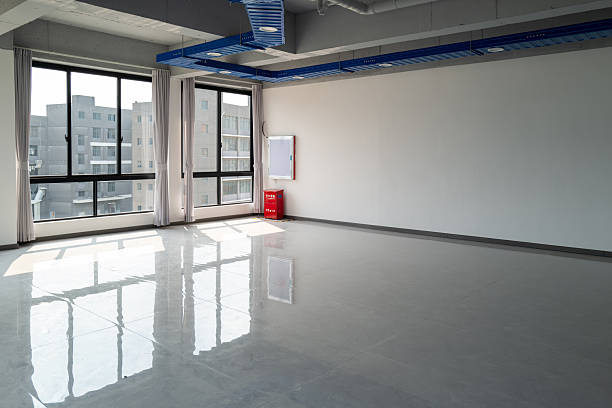
One overlooked advantage is how epoxy improves visibility. The glossy finish reflects light, which can brighten interiors and improve safety in work areas.
-
Key benefit: fewer slip hazards when paired with slip-resistant additives designed for wet or oily zones.
Example: An automotive service center replaced cracked concrete with epoxy coating. Within weeks, cleanup time dropped significantly, and technicians reported fewer slips due to the added traction layer.
Design Options That Elevate Brand Image
Modern epoxy systems offer more than durability. They also unlock creative freedom. You can choose solid colors, flake blends, metallic finishes, or even embed logos and directional markings into the floor. This allows businesses to guide foot traffic, define zones, and reinforce branding without extra signage.
Retail spaces often use lighter tones to create an open, inviting feel, while industrial facilities prefer darker shades to mask scuffs and tire marks. The finish can be matte or glossy depending on the vibe you want to achieve. Thoughtful color choices can influence mood, improve wayfinding, and make your space feel intentional.
Pro Tip: Ask for mock-up samples before installation. Testing colors under your actual lighting helps avoid surprises and ensures the final look matches your brand.
How Commercial Epoxy Flooring Improves Safety and Hygiene
Safety and hygiene go hand in hand, especially in regulated industries. Commercial epoxy flooring systems can include antimicrobial additives and textured finishes to support clean, safe operations. The seamless surface leaves no grout lines where dirt and bacteria can hide, making daily cleaning faster and more effective.
Example: A food processing facility installed epoxy floors with coved edges that curve up the wall. This eliminated hard corners where residue used to build up and improved compliance during inspections.
In healthcare settings, light-colored epoxy helps staff spot spills quickly. In gyms and fitness studios, shock-absorbing underlayers can be added beneath epoxy coatings to improve comfort and reduce joint strain in training areas.
Installation, Maintenance, and Long-Term Value
Professional installation is key to performance. The process includes surface preparation, moisture testing, priming, and layered coatings. While installation requires downtime, the long-term benefits are worth it. Epoxy floors can last well over a decade with routine care.
Maintenance is simple. Regular sweeping and occasional mopping keep the surface looking new. Unlike tile or vinyl, epoxy does not require frequent resealing or grout repairs. Over time, this reduces maintenance costs and operational disruptions.
Example: A logistics warehouse upgraded to epoxy-coated floors to withstand forklift traffic. After two years, the floor showed minimal wear, and maintenance costs dropped compared to their previous concrete repairs.
Conclusion
Flooring is not just a surface. It is a performance asset. The right system can enhance safety, simplify cleaning, and strengthen your brand experience. Epoxy solutions deliver durability without sacrificing design, making them a smart choice for businesses that demand more from their spaces. With proper planning and professional installation, your floors can become a long-term investment that supports growth and daily operations.