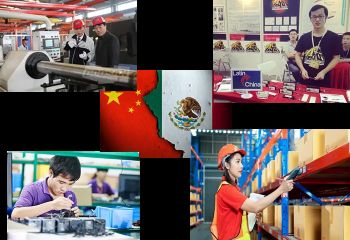
Importing products from China to Mexico has become one of the smartest strategies for entrepreneurs and business owners looking to save costs and expand their product offerings. Yet, many feel overwhelmed by customs paperwork, shipping logistics, and regulations. This guide will break down everything you need to know to make your importing experience simple, safe, and profitable.
Why You Should Consider importar de China a México
China is famously called the “factory of the world” because it produces an enormous variety of goods at highly competitive prices. From electronics and clothing to toys and home decor, almost any product can be sourced from China at much lower prices than in Mexico.
Importing from China allows businesses to significantly reduce production costs while diversifying their inventory. Offering products that are not widely available locally increases competitiveness and opens doors to new customer segments.

Key Steps to importar de China a México
Understanding the main steps of the importing process is essential for avoiding delays or unexpected costs.
Finding a Reliable Supplier
Choosing a trustworthy supplier is crucial. Online platforms like Alibaba or Made-in-China can help you find suppliers, but always check their reputation, history, and reviews from other buyers. A solid relationship with your supplier ensures smoother transactions and reliable deliveries.
Negotiating Prices and Terms
Negotiation is not just about price. Clarify shipping methods, delivery times, and guarantees with your supplier before placing an order. Many suppliers offer discounts on bulk purchases, so discussing these options in advance is wise.
Navigating Mexican Customs
When you importar de China a México, understanding customs regulations is essential. This includes paying tariffs, taxes, and having the right documentation. Hiring a customs broker can simplify the process and prevent costly mistakes. Preparing all necessary paperwork, such as commercial invoices, packing lists, and certificates of origin, ensures faster and smoother customs clearance.
Shipping and Logistics
The shipping method depends on your budget, product type, and urgency. Sea freight is cost-effective for large shipments but slower, while air freight is faster yet more expensive. Proper planning guarantees that products arrive on time and in good condition.
Receiving and Quality Checks
Once your shipment reaches Mexico, inspect the products carefully. Check quantities, product quality, and any damage from transit. If you plan to sell these items, ensure they comply with Mexican safety and labelling standards.

Tips for a Smooth Importing Process
Starting with smaller orders lets you test product quality and supplier reliability. Clear communication with suppliers and customs brokers prevents misunderstandings and delays. Understanding regulations for specific products will help avoid legal complications. Using tracking tools to monitor shipments keeps the process organized and stress-free.
Conclusion
Importing products from China to Mexico may seem complicated at first, but with proper research, planning, and guidance, it is an excellent way to grow your business and diversify your product line. By choosing the right suppliers, understanding logistics, and following customs rules, you can turn importing into a profitable, stress-free strategy.