The kitchen is one of the most-used spaces in any house. It’s where food is cooked, discussions take place, and family members congregate at different points in the day. This constant activity means kitchen flooring has to endure spills, heavy appliances, and everyday foot traffic without deteriorating quickly.
This is why epoxy kitchen flooring NJ residents have been considering more than ever. Epoxy is proving a popular option for those looking to upgrade their garage floor, as unlike traditional materials like tile or vinyl, it offers durability and is seamless and clean. Epoxy flooring can also provide you with a practical and modern surface that will withstand everyday kitchen use when installed properly.
Understanding How Epoxy Kitchen Flooring Works
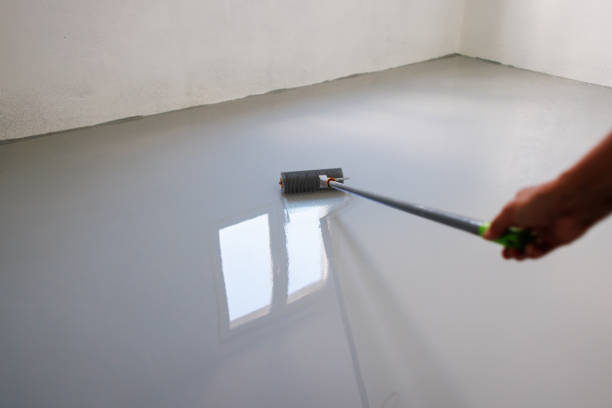
Epoxy flooring is not just a layer of paint or sealant. It’s a resin and hardener that chemically combines to form a tough, protective coating when applied to concrete.
How Epoxy stands out from Conventional floors
Whereas tiles or planks work in individually placed pieces, epoxy creates a smooth, continuous surface. This seamless design also means there are no grout lines or gaps where dirt or moisture can accumulate.
Some of the properties that make epoxy unique are:
- A solid, non-porous surface
2. Highly resistant to moisture and spills
3. In heavy kitchen traffic, this is of high durability
4. Finish: A smooth and easily cleaned finish
For kitchens that are used for cooking and cleaning every day, this type of flooring can help to minimize the long-term wear that traditional materials can sometimes show.
The Installation Process
Preparation for epoxy flooring is crucial before the coating can be applied. The concrete floor must be cleaned, repaired if needed, and occasionally lightly ground to allow the epoxy to grab properly.
The typical process includes:
- Surface preparation and cleaning
2. Repairing cracks or imperfections
3. Applying primer and epoxy layers
4. Letting the concrete-filler cure completely
In any case, when properly performed, the completed floor could be tough and prepared to address the needs of a bustling kitchen.
Practical Benefits for Everyday Kitchens
The durability of flooring is often among its top deciding factors for homeowners. Kitchens are subject to heat, water, grease, and constant motion, meaning flooring must be both durable and easy to clean.
Resistance to Spills and Moisture
Cooking naturally leads to spills. Whether oil, sauce, or water from washing vegetables, liquids are part of everyday kitchen activity. Epoxy kitchen flooring is resistant to absorption, which is a significant benefit.
Here’s what you need to be aware of: Because epoxy produces a smooth, sealed surface:
- Liquids pool on the top rather than seep in
2. Additionally, they are less likely to get stained
3. Cleanup becomes faster and easierThis can come in especially handy for homes where they cook a lot or have lovers of dinner parties.
Easy Maintenance for Busy Homes
Cleaning routines in the kitchen already involve counter wiping, dish washing, and food preparation management. Flooring that needs complicated maintenance just means extra work.
Epoxy flooring simplifies the process. Basic care usually involves:
- Sweeping or vacuuming debris
2. Mopping with mild cleaning solutions
3. Cleaning up spills immediately to ensure shineGrout lines and seams provide dirt with fewer places to establish itself. This means regular cleaning is quicker than many traditional flooring types.
Why Epoxy Flooring Is Becoming Popular in New Jersey
Atmospheric conditions in the region can also affect flooring materials performance. New Jersey homes have seasonal humidity and temperature changes that can impact traditional flooring surfaces.
Adapting to Local Climate Conditions
Wood flooring can expand or contract with humidity, and tile grout can deteriorate over time. Epoxy coatings, by contrast, bond directly to the concrete substrate and form a stable surface.
Epoxy kitchen flooring NJ residents install frequently comes with advantages like these for this reason:
- Improved moisture resistance
2. Lower chance of cracking or warping
3. Stable performance across seasonal temperature variationsSuch properties make epoxy a suitable choice for all kitchens that require durability.
Design Possibilities Beyond Industrial Spaces
People often think about epoxy flooring being just for garages or commercial buildings, but modern techniques can create a whole range of decorative finishes. Kitchens these days emphasize function and look.
Popular Epoxy Floor Styles
Custom design: Epoxy looks great and can be designed with different visual effects, giving homeowners the ability to coordinate their floor with the kitchen.
Common options include:
- Keep it clean with solidcolorcoatings for the minimal look
2. Fine flakes that provide dimension and texture
3. Reflective, modern look metallic epoxy finishes
4. Patterns made from natural materials, such as stone-like patterns
Since epoxy applies as a liquid prior to curing, installers can make custom patterns that will be hard to create through tile or laminate.
Brightening the Kitchen Space
Most epoxy coverings exhibit a light-refracting glossy or semi-gloss finish. This reflective quality can help to make a kitchen feel brighter and more open, especially in smaller spaces with limited lighting. Epoxy flooring, paired with modern cabinetry and countertops, can create a streamlined and contemporary kitchen atmosphere.
Long-Term Value for Homeowners
Flooring choices are more than a short-term look. Homeowners typically want a solution that will last for years without further repair or replacement.
Durability That Supports Long-Term Use
Epoxy cures into a durable layer that can’t be scratched, dented, or worn down by daily use. Well-installed epoxy surfaces are generally not harmed by repetitive use from heavy appliances like refrigerators or kitchen islands.
Safety Considerations
Kitchens can get slippery when liquids are spilled. Slip-resistant additives can be added to epoxy systems, enhancing traction without sacrificing overall aesthetics. This extra grip keeps people safe while still allowing for a clean design of the floor.
Conclusion
Kitchen flooring needs to marry resilience, hygiene, and aesthetics. Meanwhile, materials that thrive elsewhere in the home often fail to withstand the onslaught of activity and moisture kitchens endure from day to day.
Epoxy kitchen flooring NJ solutions offer a practical alternative option for many homeowners instead of the traditional ones. The continuous surface is stain- and moisture-resistant, easy to clean, and allows for a variety of contemporary design options. Yet, its durability allows it to withstand the weight of heavy appliances and daily foot traffic.
Although every kitchen renovation is unique, epoxy flooring remains a hot favorite for its strength and style. If installed correctly and maintained regularly, epoxy kitchen flooring can provide a durable foundation for an attractive, functional kitchen.