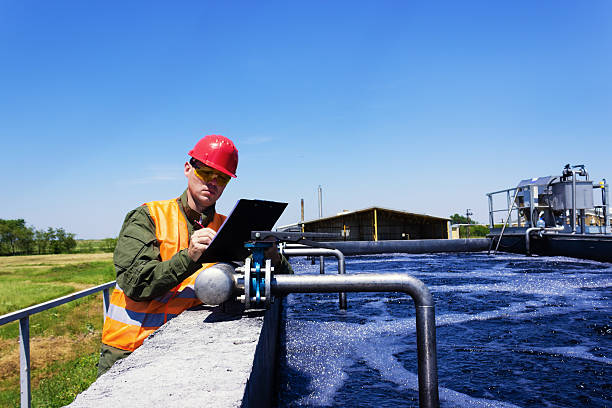
Cooling towers play a vital role in maintaining temperature control across industrial plants, commercial buildings, and manufacturing facilities. However, many facility managers notice that cooling tower performance gradually declines despite regular maintenance. The hidden culprit is often poor water quality management.
Water continuously circulates through cooling towers, carrying minerals, contaminants, and microorganisms that can negatively affect system performance. Without a proper treatment strategy, these impurities accumulate over time and create operational challenges. Understanding how water treatment impacts cooling tower efficiency can help businesses reduce costs, prevent downtime, and extend equipment life.
How Does Water Quality Affect Cooling Tower Operations?
The quality of water inside a cooling tower directly influences heat transfer efficiency. As water evaporates, dissolved minerals become more concentrated. These minerals can settle on heat exchange surfaces and form hard deposits.
Common water-related problems include:
- Scale formation, corrosion, biological growth, and reduced heat transfer efficiency.
When these issues develop, cooling systems require more energy to achieve the same level of performance. This results in higher operating costs and increased strain on equipment.
Example of a Common Cooling Tower Problem
Consider a manufacturing facility that uses untreated water in its cooling tower. After several months, calcium deposits begin forming on heat exchanger surfaces. Even a thin layer of scale can significantly reduce heat transfer efficiency, forcing pumps and fans to work harder. This leads to higher electricity consumption and unexpected maintenance expenses.
Why Is Cooling Tower Water Treatment Essential for Modern Facilities?
Cooling Tower Water Treatment Prevents Costly System Damage
Proper cooling tower water treatment helps maintain balanced water chemistry and prevents harmful buildup. Treatment programs typically include filtration, chemical dosing, monitoring, and biological control measures.
A well-designed treatment plan offers several benefits:
- Minimizes scale accumulation.
- Protects metal components from corrosion.
- Controls bacteria and algae growth.
- Improves energy efficiency.
- Extends equipment lifespan.
By addressing these risks early, organizations can avoid expensive repairs and maintain reliable system performance throughout the year.
The Hidden Threat of Biological Contamination
Many people focus on scale and corrosion while overlooking biological growth. Warm, moist environments inside cooling towers create ideal conditions for bacteria, algae, and fungi.
These microorganisms can form biofilms on internal surfaces. Biofilms act like insulating blankets that reduce heat transfer and restrict water flow. In severe cases, biological contamination can create health and safety concerns for building occupants and maintenance personnel.
Regular monitoring and appropriate biocide programs help keep microbial populations under control and support safer operations.
What Should an Effective Treatment Program Include?
An effective cooling tower maintenance strategy involves more than simply adding chemicals. It requires a comprehensive approach tailored to the water source and operating conditions.
Key elements include:
- Water testing and analysis.
- Filtration systems for suspended solids.
- Corrosion inhibitors.
- Scale control treatments.
- Biological control measures.
- Routine performance monitoring.
Facilities that invest in proactive treatment programs often experience fewer operational disruptions and more predictable maintenance schedules.
Pro Tip for Maximum Cooling Tower Efficiency
Cooling Tower Water Treatment Monitoring Matters More Than Frequency
Many operators believe adding treatment chemicals more often automatically improves performance. In reality, consistent monitoring is far more important than excessive chemical dosing.
Pro Tip: Schedule routine water analysis and track conductivity, pH levels, and microbial activity. Data-driven adjustments help maintain optimal water conditions while reducing unnecessary chemical consumption.
How Can Businesses Measure Treatment Success?
Successful treatment programs produce measurable results. Facilities should regularly evaluate system performance using key indicators such as energy consumption, equipment reliability, maintenance frequency, and water quality metrics.
When treatment strategies are working effectively, operators typically notice:
- Lower utility costs.
- Reduced equipment wear.
- Improved heat transfer performance.
- Fewer emergency repairs.
- Longer asset lifespan.
These benefits contribute to a stronger return on investment and improved operational sustainability.
Conclusion
Cooling towers are critical assets that require more than routine mechanical maintenance. Water quality management plays a central role in preserving efficiency, reliability, and equipment longevity. A comprehensive treatment strategy helps prevent scale, corrosion, and biological growth while supporting consistent system performance. By prioritizing cooling tower water treatment, businesses can reduce operating costs, enhance energy efficiency, and protect valuable infrastructure for years to come.